

Whole-Home Renovation Cost in Northern Virginia (2026 Guide)
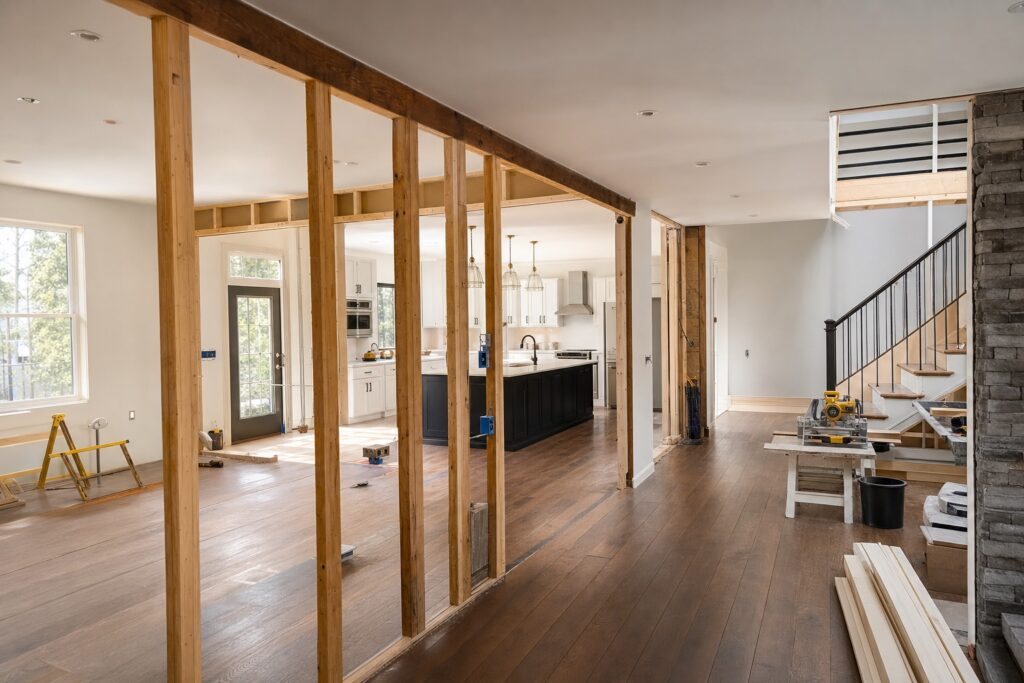
A whole-home renovation cost in Northern Virginia in 2026 typically runs $350 to $700 per square foot for a full gut renovation, with most full-scope projects landing between $600,000 and $1.5 million. Partial or cosmetic whole-home updates cost far less, generally $175,000 to $500,000, while comprehensive but non-gut work falls in the $150 to $300 per square foot range. Those numbers reflect a regional market that runs 20 to 40 percent above national averages, driven by high labor costs, strict county permitting, and the premium finishes Northern Virginia homeowners expect. This guide breaks down where the money goes, how scope changes the figure, what each county costs, and how to plan a budget that survives contact with reality.
Table of Contents
Quick answer: whole-home renovation cost in Northern Virginia (2026)
The whole home renovation cost in Northern Virginia in 2026 is $350 to $700 per square foot for full gut-and-rebuild scope, putting most complete projects between $600,000 and $1.5 million or more. If you are doing comprehensive but non-gut work, plan on $150 to $300 per square foot, and for partial or cosmetic refreshes across the whole house, budget $175,000 to $500,000. A 3,000-square-foot home taken down to the studs and rebuilt commonly lands near $1.05 million to $2.1 million, while the same home updated without structural or system overhauls might run $450,000 to $900,000. The single biggest variable is scope: how much of the house you touch, and how deep you go.
| Renovation tier | Cost per sq ft (2026) | Typical total (2,500-3,500 sq ft) | What it includes |
|---|---|---|---|
| Cosmetic / surface refresh | $70 – $150 | $175,000 – $400,000 | Paint, flooring, fixtures, cabinet refacing, minor updates |
| Comprehensive non-gut | $150 – $300 | $375,000 – $900,000 | New kitchens and baths, some layout changes, new finishes |
| Full gut renovation | $350 – $550 | $875,000 – $1,650,000 | Down to the studs, all-new systems, new layout, mid-high finishes |
| Luxury gut + additions | $550 – $700+ | $1,375,000 – $2,450,000+ | Structural changes, additions, top-tier finishes, custom millwork |
What drives whole-home renovation cost in Northern Virginia
No two whole-home renovations cost the same, even on identical floor plans, because the price is built from a stack of decisions rather than a single number. Understanding the whole home renovation cost in Northern Virginia means understanding its drivers: the depth of your scope, how much structure you change, how many kitchens and bathrooms you build, the condition of your existing systems, the finish level you choose, and whether you live in the house while crews work. Each driver can swing the total by six figures. The sections below walk through the largest cost levers so you can see where your budget concentrates and where there is room to make trade-offs without compromising the result.
Scope: cosmetic versus full gut
Scope is the master dial. A cosmetic refresh keeps walls, systems, and layout in place and swaps surfaces, so labor stays low and timelines stay short. A full gut strips the home to its framing, exposes every system, and rebuilds from the inside out, which multiplies labor hours, debris hauling, inspections, and material volume. Between those poles sits the comprehensive non-gut renovation, where you replace kitchens, baths, and finishes and make selective layout changes while leaving sound structure intact. Moving from comprehensive to full gut often doubles the per-square-foot figure. Defining scope honestly at the start is the most important budgeting decision you will make on the entire project.
Structural and layout changes
Removing walls, raising ceilings, relocating staircases, or reconfiguring an open floor plan adds engineering, permitting, and specialized labor that surface work never touches. Load-bearing modifications require a structural engineer, steel or engineered beams, and temporary shoring, and they cascade into electrical, plumbing, and HVAC reroutes. In older Northern Virginia homes around Vienna, Oakton, and Arlington, opening up compartmentalized 1960s and 1970s layouts is one of the most requested changes and one of the most expensive. Expect structural work to add $40,000 to $150,000 depending on how many walls move and whether you touch the roofline. The payoff is a home that lives like new construction.
Number of kitchens and bathrooms
Kitchens and bathrooms carry the highest cost density in any home because they pack plumbing, electrical, cabinetry, tile, and appliances into small footprints. A full kitchen renovation in Northern Virginia commonly runs $75,000 to $200,000, and a full bathroom $35,000 to $90,000, with primary suites and chef-grade kitchens climbing higher. The count matters enormously: a home with one kitchen and two baths costs far less to renovate than one with a main kitchen, a basement kitchenette, and five bathrooms. When you tally a whole-home budget, these rooms often consume 40 to 55 percent of the total, so their number and finish level dominate the bottom line.
Condition of existing systems
The mechanical, electrical, and plumbing systems hidden behind your walls quietly determine a large share of the budget. Homes built before 1990 frequently need panel upgrades, rewiring, repiping, and full HVAC replacement to meet current code and modern loads. Once walls are open in a gut, replacing these systems is the right time to do it, and the cost is significant but unavoidable for a true whole-home renovation. Aging cast-iron drain lines, undersized electrical service, and aluminum wiring are common findings in older Fairfax and Arlington housing stock. Budgeting realistically for systems, rather than hoping the existing ones pass, prevents the mid-project surprises that derail timelines and finances.
Finish level and material selections
Finishes are where personal taste meets the budget most directly, and the spread is enormous. Stock cabinetry, porcelain tile, and quartz cost a fraction of custom inset cabinetry, natural stone slabs, wide-plank hardwood, and designer plumbing fixtures. Two identical gut renovations can differ by $300,000 purely on selections. Northern Virginia buyers in McLean and Great Falls often specify the upper tier, which pushes projects toward the $700-per-square-foot ceiling, while value-focused owners can build beautifully at the lower end with disciplined choices. The finish decision is also the most controllable lever, because unlike structure or systems, you choose every item and can tier your spending room by room.
Whole-home renovation cost by scope and tier
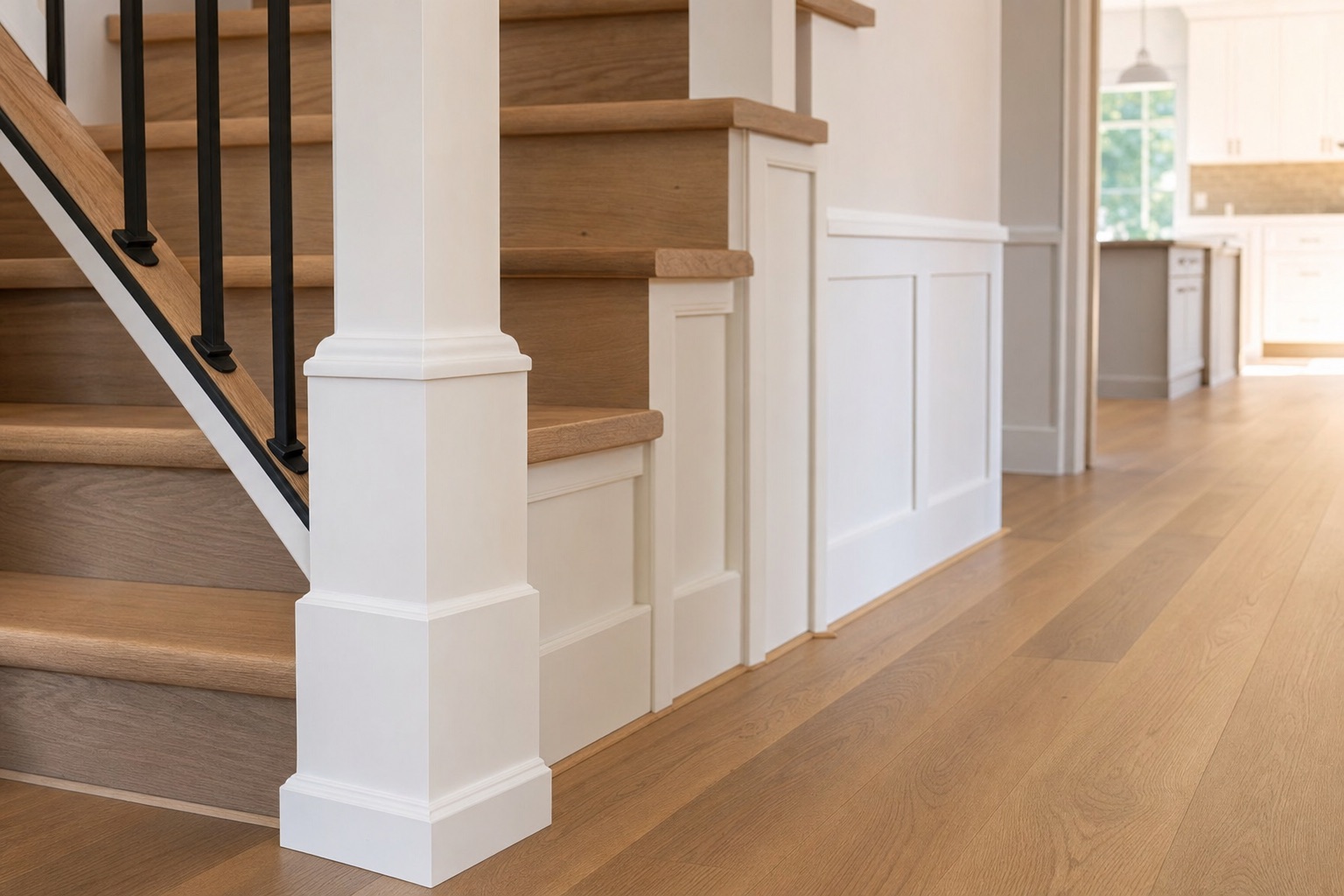
Tiering your project is the clearest way to align expectations with budget before a single wall comes down. The three broad tiers below describe the most common whole-home renovation paths in Northern Virginia, each with a distinct cost band and a distinct outcome. Where you land depends on the age and condition of your home, how long you plan to stay, and how much you value bringing everything to a single, cohesive standard. Understanding the tiers lets you map your own square footage against the market quickly and decide how deep your project really needs to go.
Cosmetic and surface-level renovation
A cosmetic whole-home renovation refreshes the look and feel of every room without touching structure or systems. Think new paint, flooring, light fixtures, refaced or repainted cabinetry, updated hardware, and modest kitchen and bath improvements. At $70 to $150 per square foot, a cosmetic refresh of a typical Northern Virginia home runs $175,000 to $400,000 and can be completed in two to four months. This tier suits homes that are structurally sound and well-laid-out but dated, and it delivers a dramatic visual change for the lowest cost. It is the right choice when you love your floor plan and your systems are in good shape.
Comprehensive non-gut renovation
The comprehensive tier is the sweet spot for many owners: new kitchens and bathrooms, fresh finishes throughout, selective wall removal, and partial systems upgrades, all without taking the entire house to the studs. At $150 to $300 per square foot, these projects run $375,000 to $900,000 for most homes and take five to nine months. You get a substantially new home where it counts while preserving sound bones and avoiding the cost of full demolition. This approach works beautifully in 1990s and 2000s homes across Loudoun and Prince William counties, where the structure is solid but the kitchens, baths, and finishes feel a generation behind.
Full gut renovation
A full gut takes the home down to its framing and rebuilds everything: layout, structure where needed, all mechanical systems, insulation, drywall, and every finish. At $350 to $700 per square foot, full gut projects in Northern Virginia run $600,000 to $1.5 million and beyond, with timelines of nine to eighteen months. This is the path for owners who want a home that performs and feels like new construction while keeping their lot, location, and footprint. It is also the right choice for older homes with failing systems and awkward layouts, where piecemeal updates would cost nearly as much without delivering a unified result.
Room-by-room renovation costs
Because kitchens and baths dominate a whole-home budget, it helps to see the major rooms priced individually before you sum them. The figures below reflect 2026 Northern Virginia pricing for quality work at a range of finish levels, and they assume the room is being renovated as part of a larger project where some site costs are shared. Use them to sanity-check a whole-home estimate: add your kitchens and baths, then layer in living spaces, systems, and a contingency. The room-level view also shows where tiering finishes pays off most, since a single high-end kitchen can cost as much as several bedrooms combined.
| Space | Typical 2026 cost | Notes |
|---|---|---|
| Kitchen (full) | $75,000 – $200,000+ | 15-25% of a whole-home budget; custom chef kitchens run higher |
| Primary bathroom | $45,000 – $90,000+ | Wet rooms, freestanding tubs, heated floors push the top end |
| Secondary / powder bath | $25,000 – $50,000 | Good place to tier finishes down |
| Living spaces / bedrooms | $40 – $120 / sq ft | Finish-driven; easiest place to control cost |
| Basement finish | $50,000 – $150,000 | With bath, wet bar, and egress |
| Addition | $300 – $500 / sq ft | New-construction pricing; budget separately |
Kitchen renovation
The kitchen is the single most expensive room per square foot and the one most likely to define the project’s finish level. A full kitchen renovation in Northern Virginia runs $75,000 to $200,000, with custom chef kitchens in McLean, Great Falls, and Vienna exceeding that when they include professional-grade appliances, custom cabinetry, stone slabs, and a scullery or butler’s pantry. Costs concentrate in cabinetry, countertops, appliances, and the plumbing and electrical needed for islands and ranges. Because the kitchen sets the tone for the whole home, many owners spend here first and tier other rooms to protect the budget. Expect the kitchen to consume 15 to 25 percent of a whole-home total.
Bathrooms
Bathrooms are the second-most cost-dense rooms, packing waterproofing, tile, plumbing, ventilation, and fixtures into tight footprints. A full bathroom renovation runs $35,000 to $90,000, with primary spa suites featuring wet rooms, freestanding tubs, and heated floors reaching higher. The count drives the number quickly: a home with five bathrooms can easily devote $250,000 to $400,000 to baths alone. Secondary and powder baths cost less and offer good places to tier finishes, while the primary bath is usually worth investing in. Proper waterproofing and ventilation are non-negotiable in Northern Virginia’s humid climate, and cutting corners there leads to expensive failures down the road.
Living spaces, basements, and additions
Living rooms, family rooms, and bedrooms cost the least per square foot because they are largely finish work, typically $40 to $120 per square foot. Finishing a basement adds usable space efficiently, generally $50,000 to $150,000 with a bath and egress. Additions, by contrast, are essentially new construction at $300 to $500 per square foot and should be budgeted separately rather than folded into a blended square-foot rate.
Systems: electrical, plumbing, and HVAC
Behind every finished surface sits the mechanical infrastructure that makes a home safe, comfortable, and code-compliant, and in a whole-home renovation these systems represent a major and often underestimated cost. When walls are open, replacing aging electrical, plumbing, and HVAC is both efficient and wise, because retrofitting later means tearing into finished surfaces. For older Northern Virginia homes, systems work is frequently mandatory rather than optional, since current code, insurance requirements, and modern electrical loads exceed what 1960s through 1990s construction provided. Budgeting these systems honestly up front is one of the surest ways to avoid mid-project cost overruns.
Electrical
A whole-home electrical update includes a new service panel, rewiring, modern circuits, recessed lighting, smart-home prewiring, and EV-charger readiness, typically running $25,000 to $75,000 depending on home size and complexity. Older homes with aluminum wiring or undersized 100-amp service almost always need full replacement to handle today’s loads safely. Northern Virginia’s appetite for induction cooking, heat pumps, and EV charging is pushing many renovations toward 200- or 400-amp service. Doing electrical right during a gut is far cheaper than upgrading piecemeal later, and it is foundational to everything from lighting design to home automation.
Plumbing
Plumbing costs depend on how many wet rooms you have and whether you relocate fixtures. A whole-home repipe with new supply and drain lines, often replacing aging copper, galvanized, or cast-iron, runs $20,000 to $60,000, with more for homes that add kitchens or baths. Relocating a kitchen or moving a bathroom triggers new drain routing that can be expensive depending on slab or joist access. In older Alexandria and Arlington homes, failing cast-iron drains are a common and costly discovery. Replacing plumbing during a gut, while walls and floors are open, is dramatically cheaper than doing it afterward.
HVAC and energy systems
Heating, cooling, and ventilation in a whole-home renovation typically run $25,000 to $70,000, covering new equipment, ductwork, zoning, and often a shift to high-efficiency heat pumps. Many Northern Virginia owners use renovations to improve energy performance with better insulation, air sealing, and modern systems that lower bills and improve comfort. Zoned systems are popular in larger McLean and Great Falls homes where a single unit cannot balance temperatures across floors. Adding spray-foam insulation, new windows, and a tight building envelope raises upfront cost but pays back in comfort and efficiency, and it is far easier to execute while the home is open to the framing.
Finishes and material tiers
Finishes are the most visible part of any renovation and the most flexible part of the budget, so understanding the tiers helps you spend where it shows and save where it does not. The same square footage can cost wildly different amounts depending on whether you choose builder-grade, mid-range, or luxury materials, and Northern Virginia’s market spans the full spectrum. Smart owners tier their selections, investing in the kitchen and primary suite while choosing durable, attractive value materials elsewhere. Finish tier alone can move a whole-home total by hundreds of thousands of dollars, which makes it the most powerful single lever you control.
Builder-grade and value finishes
Value-tier finishes deliver a clean, modern look at the lowest cost: stock cabinetry, porcelain or ceramic tile, quartz or laminate counters, luxury vinyl plank or engineered wood flooring, and standard fixtures. Choosing this tier throughout can keep a comprehensive renovation near the lower end of its range while still looking sharp. Many owners use value finishes in secondary bedrooms, basements, and guest baths to free up budget for showcase spaces. The gap between value and luxury is mostly aesthetic and tactile rather than functional, so value finishes are a legitimate path to a beautiful home on a controlled budget.
Mid-range finishes
Mid-range is where most Northern Virginia renovations land: semi-custom cabinetry, natural stone or premium quartz counters, designer tile, solid hardwood floors, and upgraded appliances. This tier balances durability, beauty, and resale value, and it suits buyers across Fairfax, Loudoun, and Prince William counties. Mid-range finishes typically place a renovation in the middle of its per-square-foot range and represent the best value for owners who plan to stay or sell within a normal market window.
Luxury and custom finishes
Luxury finishes define high-end renovations in McLean, Great Falls, and the Virginia Piedmont: fully custom inset cabinetry, natural stone slabs, wide-plank European hardwood, custom millwork, integrated appliances, and designer fixtures throughout. This tier pushes projects toward and past $700 per square foot and adds significant lead times for custom-ordered materials. The key is consistency, since high-end work next to value finishes reads as unfinished rather than tiered.
Whole-home renovation cost by Northern Virginia area
Location shapes renovation cost in Northern Virginia more than many owners expect, because neighborhood housing stock, lot constraints, permitting, and market expectations all vary by jurisdiction. A gut renovation in McLean carries different finish expectations and resale logic than the same project in Gainesville. The sections below outline how cost and approach differ across the region’s key areas, from the premium markets inside the Beltway to the newer, larger homes farther out. Wherever you are, the per-square-foot bands from this guide apply, but where you land within them shifts with local conditions and the standard your neighborhood sets.
McLean and Great Falls
McLean and Great Falls sit at the top of the Northern Virginia renovation market, where large lots, high home values, and discerning buyers push projects toward luxury finishes and the upper end of the per-square-foot range. Full gut renovations here routinely run $500 to $700-plus per square foot, with seven-figure totals the norm rather than the exception. Owners in these communities typically renovate to a standard that matches or exceeds new luxury construction, often adding additions, custom millwork, and smart systems. The strong resale market generally supports this investment, making premium renovations a sound long-term decision in these neighborhoods.
Vienna, Oakton, and Fairfax
Vienna, Oakton, and the broader Fairfax area feature a mix of mid-century homes ripe for gut renovation and newer homes suited to comprehensive updates. Opening up dated 1960s and 1970s floor plans is one of the most common projects here, and it brings structural cost alongside strong resale upside in these sought-after communities. Renovations typically run the full range from $300 to $600 per square foot depending on scope and finish. The combination of excellent schools, mature neighborhoods, and central location makes thoughtful whole-home renovation a reliably strong investment across this part of Fairfax County.
Arlington and Alexandria
Arlington and Alexandria are defined by older, denser housing stock and tight urban lots, which shapes both cost and strategy. Many homes here date to the early and mid-twentieth century and need full systems replacement, including aging cast-iron plumbing and undersized electrical. Lot constraints make pop-tops and rear additions popular ways to gain space without moving. Renovations run $350 to $650 per square foot, with historic-district requirements in parts of Alexandria adding permitting complexity and cost. The strong, stable resale market close to D.C. rewards quality renovation, and these neighborhoods reliably support significant investment in well-executed work.
Loudoun County
Loudoun County, including Ashburn and Leesburg, is dominated by newer homes from the 1990s through the 2010s, where structures are sound but kitchens, baths, and finishes feel dated. Comprehensive non-gut renovations are the most common path here, typically running $150 to $350 per square foot and delivering a substantially new interior at a controlled cost. Full gut work is less common but appears in older Leesburg homes and on rural Piedmont properties. The county’s continued growth and strong schools support renovation investment, and the larger floor plans common in Loudoun mean budgets scale up with square footage even at mid-tier pricing.
Prince William County
Prince William County, including Gainesville, Haymarket, and Bristow, where Valor Builder is based, features a mix of newer suburban homes and older properties across a growing market. Comprehensive renovations and finish upgrades are common, generally running $150 to $325 per square foot, with full gut work appearing in older homes and on larger rural lots. Value-conscious owners here often achieve excellent results with disciplined mid-tier finishes, and the area’s strong growth supports renovation investment. As a local builder, Valor Builder knows the county’s permitting, housing stock, and market expectations intimately, which keeps projects efficient and well-targeted to local resale dynamics.
How to control your whole-home renovation cost
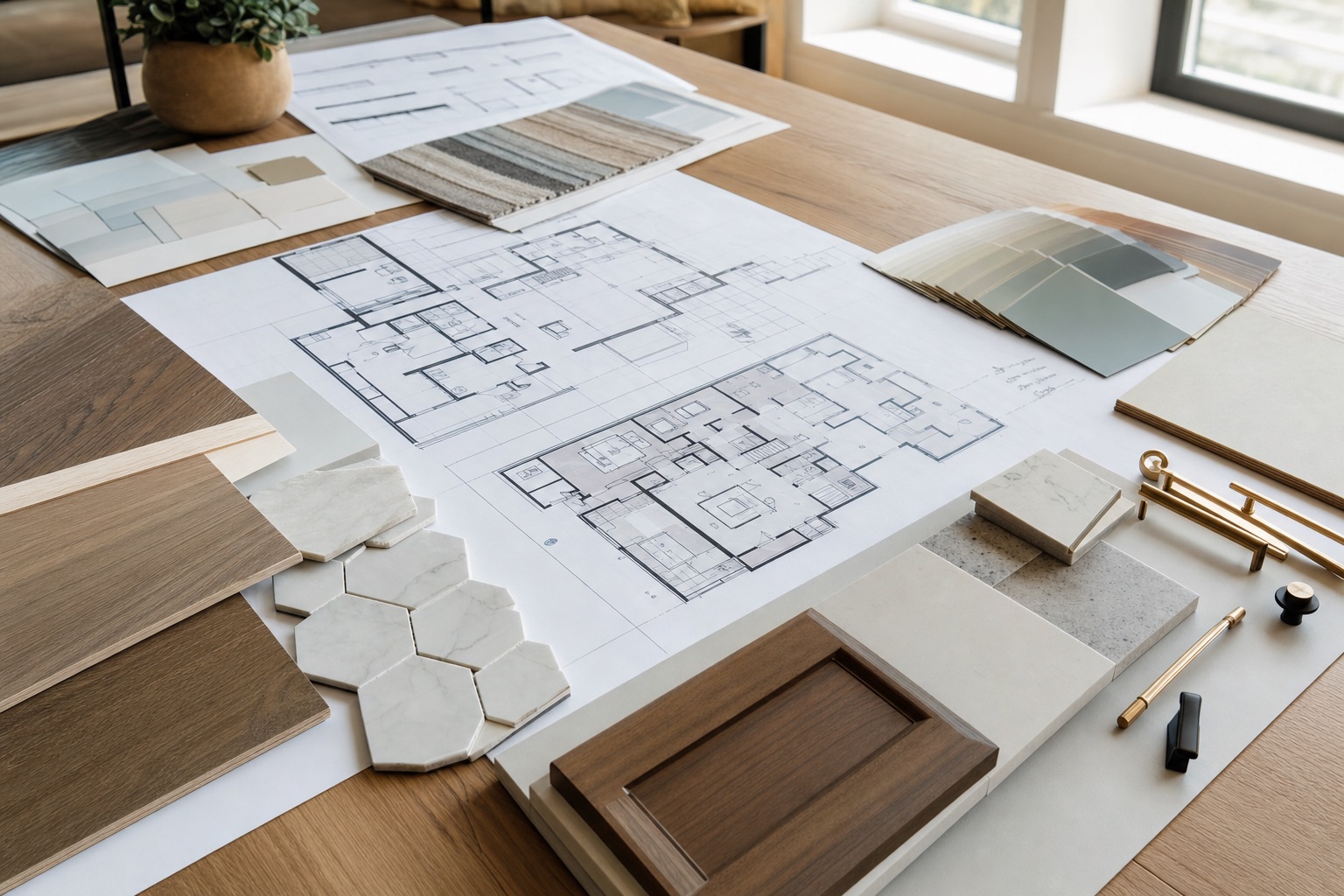
A whole-home renovation budget is largely set by decisions you make before demolition, which means cost control is mostly about planning, sequencing, and discipline rather than cutting corners during construction. The owners who finish on budget are the ones who defined scope clearly, made selections early, and built in honest contingencies. The strategies below are the highest-leverage ways to keep a Northern Virginia renovation on track financially without sacrificing the quality and cohesion that make the investment worthwhile. Cost control done well does not produce a cheaper home; it produces a better-spent budget.
Define scope before you start
The most expensive mistakes happen when scope expands mid-project. Deciding up front whether you are doing cosmetic, comprehensive, or full gut work, and committing to a clear plan for every room, prevents the change orders that inflate budgets and timelines. A thorough pre-construction phase with detailed drawings, selections, and a fixed scope lets your builder price accurately and lets you make trade-offs deliberately. Scope creep, by contrast, compounds, because each addition triggers ripple costs across trades. The discipline of locking scope before demolition is the single most effective cost-control measure available to any homeowner.
Tier your finishes and build a contingency
Because finishes are the most flexible part of the budget, tiering them is the most powerful way to control cost without compromising the result. Invest in the kitchen, primary suite, and high-traffic showcase spaces, and choose durable value finishes in secondary bedrooms, basements, and guest baths. Just as important, budget 10 to 20 percent of the project cost as a contingency, with the higher end for older homes where hidden conditions are more likely. Common surprises include failing systems, water damage, and code-required upgrades discovered once demolition exposes the home’s true condition. A contingency turns a surprise into a manageable item rather than a derailed renovation.
Choose the right delivery method
Design-build delivery, where one firm handles both design and construction, tends to control cost better than separating architect and builder, because pricing feedback happens during design rather than after. This integrated approach catches budget-breaking ideas early, aligns drawings with real construction costs, and reduces the finger-pointing and change orders that plague split delivery. For complex whole-home renovations, the coordination advantage is substantial. Working with an experienced local design-build firm that knows Northern Virginia’s permitting and housing stock keeps the project efficient from the first sketch through final inspection.
Renovate or build new in Northern Virginia?
One of the biggest decisions Northern Virginia homeowners face is whether to renovate their existing home or tear down and build new, especially as full gut costs approach new-construction pricing. The answer depends on your lot, your location, your home’s bones, and what you value. Renovation preserves your established neighborhood, mature trees, and often a footprint or charm that new construction cannot replicate, while a teardown delivers a fully modern home with no compromises. Renovation is usually the right call when your home has sound structure, you love your location, and your scope stops short of moving every wall. Building new tends to win when the existing home is failing structurally, the layout is unworkable, or a gut plus additions approaches the cost of a fresh build, which is why teardown-rebuilds are common on large McLean and Great Falls lots. When the numbers converge and the old home offers little worth saving, building new is often the sounder long-term investment.
Whole-home renovation timeline in Northern Virginia
A realistic timeline is as important as a realistic budget, because whole-home renovations take longer than most owners expect, and rushing them compromises quality. Total duration depends on scope, permitting speed, material lead times, and whether you live in the home during construction. Before any demolition, expect two to five months for design, engineering, selections, and permitting, which produces the detailed drawings and fixed scope that make accurate pricing possible. County permitting timelines vary across Fairfax, Loudoun, Prince William, Arlington, and Alexandria, with historic districts adding review steps. Construction itself runs three to four months for a cosmetic refresh, five to nine months for a comprehensive renovation, and nine to eighteen months for a full gut. For a full gut, most Northern Virginia owners move out, both because living in a gutted home is impractical and because vacancy lets crews run multiple trades at once and work faster, often shortening the overall schedule enough to partially offset the cost of temporary housing.
How Valor Builder approaches your whole-home renovation
At Valor Builder, a whole-home renovation begins with a thorough pre-construction phase that defines scope, locks selections, and produces accurate pricing before demolition, which is the foundation of staying on budget. As a design-build firm based in Bristow, we handle design and construction under one roof, so pricing feedback shapes the design and surprises are minimized. Our whole-home renovation services cover everything from comprehensive updates to full gut transformations, and our local roots mean we know the permitting, housing stock, and market expectations of every community we serve.
Local expertise across Northern Virginia
We work throughout the region, from the premium markets of McLean and Great Falls to the established neighborhoods of Vienna and Oakton, with deep experience in Fairfax County, Loudoun County, and Arlington. That local knowledge translates directly into cost control, because we anticipate the systems issues common in older Arlington and Alexandria homes, navigate county permitting efficiently, and target finishes to each neighborhood’s resale standard. Knowing the territory keeps projects moving and budgets accurate from the first conversation through final walkthrough.
Transparent, fixed-scope pricing
We believe homeowners deserve to know what their renovation will cost before crews arrive, which is why we invest heavily in pre-construction planning and detailed scope. Clear drawings, locked selections, honest contingencies, and fixed-scope pricing protect you from the change orders and surprises that derail so many renovations. Our goal is a project where the final number matches the plan, the timeline holds, and the finished home reflects exactly what we promised. That transparency, combined with quality craftsmanship and local expertise, is how we deliver whole-home renovations Northern Virginia owners trust.
Frequently asked questions
How much does a whole-home renovation cost in Northern Virginia in 2026?
A full gut whole-home renovation in Northern Virginia costs $350 to $700 per square foot in 2026, putting most full-scope projects between $600,000 and $1.5 million. Comprehensive non-gut renovations run $150 to $300 per square foot, while partial or cosmetic projects across the whole house typically cost $175,000 to $500,000. Your final figure depends primarily on scope, finishes, and the number of kitchens and bathrooms.
What is the cost per square foot for a whole-home renovation?
In Northern Virginia, expect $70 to $150 per square foot for cosmetic work, $150 to $300 for comprehensive non-gut renovations, and $350 to $700 per square foot for full gut renovations in 2026. Luxury gut projects with additions and top-tier finishes can exceed $700 per square foot. Where you land depends on scope, finish level, and your home’s existing condition.
Why is renovation more expensive in Northern Virginia?
Northern Virginia renovation costs run 20 to 40 percent above national averages due to high labor costs, strong demand, strict county permitting, and the premium finishes the market expects. Labor costs rose another 4.5 to 6 percent heading into 2026. Proximity to Washington, D.C., and a high-value housing market sustain these elevated prices across the region.
How long does a whole-home renovation take?
A cosmetic refresh takes three to four months of construction, a comprehensive renovation five to nine months, and a full gut nine to eighteen months. Add two to five months of design and permitting before construction begins. Living in the home, custom materials, and complex structural work all extend these timelines.
Should I move out during a whole-home renovation?
For a full gut renovation, most Northern Virginia homeowners move out because living in a gutted home is impractical and vacancy lets crews work faster. Cosmetic and comprehensive renovations can often be phased so you stay put. Moving out adds temporary housing cost but frequently shortens the overall timeline and reduces stress.
How much does a kitchen renovation cost in Northern Virginia?
A full kitchen renovation in Northern Virginia runs $75,000 to $200,000, with custom chef kitchens in McLean, Great Falls, and Vienna exceeding that range. Costs concentrate in cabinetry, countertops, appliances, and the electrical and plumbing needed for islands and ranges. The kitchen typically consumes 15 to 25 percent of a whole-home renovation budget.
How much does a bathroom renovation cost?
A full bathroom renovation in Northern Virginia costs $35,000 to $90,000, with primary spa suites featuring wet rooms, freestanding tubs, and heated floors reaching higher. Powder rooms and secondary baths cost less and are good places to tier finishes. The number of bathrooms is one of the largest drivers of a whole-home budget.
Is it cheaper to renovate or build new?
Renovation is usually cheaper when your home has sound structure and you are not moving every wall, while building new can win when a gut renovation plus additions approaches new-construction cost. On large McLean and Great Falls lots, teardown-rebuilds are common. The decision depends on your lot, location, home condition, and goals.
How much should I budget for contingencies?
Budget 10 to 20 percent of your renovation cost for contingencies, with the higher end for older homes where hidden conditions are more likely. Gut renovations frequently uncover failing systems, water damage, or structural issues once walls are open. A realistic contingency turns surprises into manageable items rather than budget-breaking crises.
Do I need to replace electrical and plumbing during a renovation?
In older Northern Virginia homes, replacing electrical, plumbing, and HVAC is often necessary to meet code and handle modern loads, especially in a full gut where walls are already open. Homes built before 1990 frequently need panel upgrades, repiping, and new HVAC. Replacing systems during a gut is far cheaper than retrofitting later.
Plan your whole-home renovation with confidence
A whole-home renovation is one of the largest investments you will make in your home, and getting the budget, scope, and timeline right from the start is what separates a smooth project from a stressful one. Whether you are weighing a cosmetic refresh, a comprehensive update, or a full gut transformation across Fairfax, Loudoun, Prince William, or Arlington counties, the right local partner makes all the difference. Valor Builder brings design-build expertise, transparent fixed-scope pricing, and deep Northern Virginia knowledge to every project. Schedule a consultation with Valor Builder to start planning your whole-home renovation with confidence and a clear, realistic budget.