

The Best Time to Start a Remodel or Custom Build in Northern Virginia (2026)
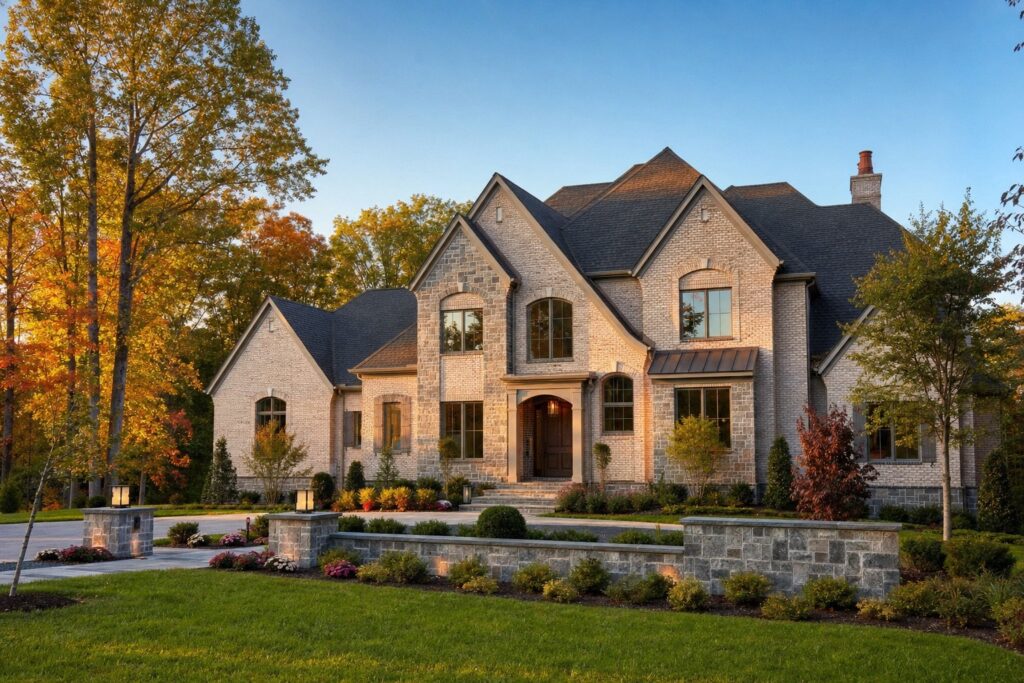
The best time to remodel Northern Virginia homes is to start the design and planning phase in fall or winter so you can break ground in spring or early summer when the weather cooperates and contractors deliver their best work. In practice that means committing to a project months before any demolition happens, because design, engineering, and permitting in Fairfax, Loudoun, Prince William, and Arlington counties routinely add two to five months before a single shovel hits the ground. Homeowners who plan backward from a target completion date and lock in their builder early consistently get better pricing, shorter waits, and a smoother build than those who wait until they feel ready.
Table of Contents
Quick answer: when is the best time to remodel Northern Virginia homes?
The best time to remodel Northern Virginia homes is to design in the fall and winter, secure permits over the winter, and break ground in spring (March through May) so exterior work and foundations happen in dry, mild weather. For a custom build or major addition, count on starting the process six to nine months before you want to be living in the finished space. The reason is simple: in Northern Virginia, the calendar that matters is not the construction calendar but the planning calendar, and the planning calendar starts long before the visible work does.
| Phase | Best season to do it | Typical duration | Why it matters |
|---|---|---|---|
| Design and selections | Fall / early winter | 4-10 weeks | Slower season, more designer attention |
| Engineering and bidding | Winter | 2-4 weeks | Locks scope and price before spring rush |
| Permitting | Winter | 3-12 weeks | County review queues are shorter off-peak |
| Foundation / exterior | Spring / early summer | 3-8 weeks | Dry, mild weather; fewer weather delays |
| Interior build-out | Summer / fall / winter | 8-20 weeks | Weather-independent once enclosed |
| Punch list / move-in | Fall | 1-3 weeks | Beat the holidays |
Why timing matters more than most homeowners think
Most people decide to remodel and assume the clock starts when construction starts. It does not. The single biggest scheduling mistake we see across McLean, Vienna, Ashburn, and Gainesville is treating design and permitting as afterthoughts rather than as the front half of the project. When you understand that the best time to remodel Northern Virginia homes is really about when you begin planning, the whole sequence makes sense. A spring groundbreaking is not something you decide in March; it is something you set up the previous October by hiring your builder, finalizing drawings, and getting into the county permit queue before everyone else does the same thing.
The hidden front half of every project
Before demolition, a typical addition or custom build moves through schematic design, design development, structural engineering, material selections, bidding, and permitting. Each of those steps takes real time, and they happen in sequence, not in parallel. For a kitchen remodel you might compress this to a few weeks; for a whole-house renovation or new custom home, the front half can run three to six months. Homeowners who skip ahead in their minds to countertops and paint colors are often shocked that the first 90 days produce no visible change. Understanding and budgeting time for this front half is the difference between a calm project and a stressful one.
How waiting actually costs you money
Waiting feels free, but it rarely is. Construction costs in Northern Virginia have trended upward year over year, so a project deferred twelve months often costs more in real dollars, not less. Beyond inflation, waiting until late winter to start design pushes your permit application into the spring crush, when county reviewers and contractors are busiest, which lengthens both your wait and your price. Material lead times also do not shrink while you wait. The homeowner who commits early locks pricing, secures a place in the schedule, and orders long-lead items in time. The homeowner who waits pays the premium for urgency.
Seasonality is regional, not universal
Generic remodeling advice from national websites does not map cleanly onto the Piedmont and the Potomac suburbs. Northern Virginia has real winters with freeze-thaw cycles that affect concrete and excavation, humid summers that slow exterior painting, and a permitting landscape that varies meaningfully between Fairfax County, Loudoun County, Prince William County, Arlington, and the City of Alexandria. The best time to remodel Northern Virginia homes depends on which of those jurisdictions you live in and what kind of work you are doing. A basement finish in Oakton follows a very different ideal calendar than a new custom home in Great Falls or a deck and exterior remodel in Leesburg.
The seasonal calendar: what to do and when
Each season in Northern Virginia favors certain activities and disfavors others. Aligning your project phases with the right seasons reduces weather delays, improves quality, and often lowers cost. Here is how the year breaks down for local remodeling and custom building.
Fall and winter: the design and permitting window
Fall and early winter are the ideal time to design and to apply for permits. Designers, architects, and builders generally have more availability between October and February, which means more attention on your drawings and selections. County permit queues in Fairfax and Loudoun also tend to be shorter in the off-season than during the spring rush. Doing the paperwork-heavy, decision-heavy work in the colder months sets you up to break ground the moment the weather turns. Homeowners who use winter to finalize cabinets, windows, and fixtures avoid the spring scramble and keep their projects moving without supply gaps.
Spring: the ideal groundbreaking season
Spring, roughly March through May, is the prime window to start exterior and foundation work in Northern Virginia. The ground has thawed, rain is manageable with proper site planning, and temperatures support proper concrete curing. Breaking ground in spring gives a project the longest possible runway of good weather for the parts of the build that are most weather-sensitive: excavation, foundations, framing, roofing, siding, and exterior masonry. The catch is that everyone wants a spring start, so the contractors and crews who do this work well book up months in advance. Securing a spring groundbreaking almost always requires committing the previous fall.
Summer: peak construction and the busy premium
Summer is peak construction season across Ashburn, Fairfax, Gainesville, and Arlington. Long daylight hours and dry stretches make it productive, but it is also the most expensive and most crowded time to be starting from scratch. Crews are stretched, subcontractors are juggling multiple jobs, and lead times for trades can stretch. Summer humidity can slow exterior painting and certain finishes. If your project is already enclosed by summer, this is a great time for interior build-out. If you are only just starting design in summer, you are effectively planning for a fall permit and a following-spring groundbreaking.
Winter: underrated for interior work
Once a structure is weather-tight, winter is an excellent and often underrated time for interior work. Drywall, trim, cabinetry, tile, flooring, and painting all happen indoors and are largely weather-independent. Contractors frequently have more schedule flexibility in winter, and you may find better pricing on labor during the slower months. Kitchen and bathroom remodels, basement finishes, and interior renovations in Vienna, Oakton, and Alexandria can run smoothly through the coldest months. The key constraint is getting the building enclosed before winter sets in, which again points back to a spring or summer groundbreaking for projects that touch the exterior.
Permitting lead times: the part everyone underestimates
Permitting is the most commonly underestimated phase of a Northern Virginia project, and it is the main reason you must start months before construction. You cannot legally build without approved permits, and the review process is outside your contractor’s control. Building the permit timeline into your plan is essential to hitting any target date.
How long permits really take by jurisdiction
Permit review times vary by county and by project complexity. Simple permits for interior work or decks can clear in a few weeks, while additions, custom homes, and projects requiring zoning review, variances, or HOA approval can take two to four months or longer. Fairfax County, Loudoun County, Prince William County, Arlington County, and the City of Alexandria each run their own process with their own queues and requirements. Lots with septic systems, well water, floodplain considerations, or Chesapeake Bay Preservation Area constraints add review steps. The honest planning rule is to assume permitting will take longer than you hope and to start the application early.
Why you start months before construction
Because permits can take weeks to months, and because you need complete drawings and engineering before you can even apply, the application itself sits well into the front half of your project. Add design time before it and material lead times after it, and the gap between deciding to build and breaking ground naturally stretches to several months. This is not inefficiency; it is the structure of the work. The builders and homeowners who plan for it stay calm. The ones who do not feel like the project is stalled when it is actually proceeding exactly as it should.
What slows a permit down
Incomplete drawings are the number one cause of permit delays, followed by zoning issues, missing structural details, and resubmittals after county comments. HOA architectural review, common in many Loudoun and Prince William communities, can add weeks on top of county review and runs on its own schedule. Historic district requirements in Alexandria and parts of Arlington add another layer. The way to protect your timeline is to submit a complete, well-prepared package the first time, which is exactly what an experienced design-build firm is set up to do.
Material lead times: order early or wait
Even a perfectly permitted project can stall if the materials are not on site when the crew needs them. Several common building products carry lead times measured in weeks or months, and those clocks should start during design, not during construction.
Cabinets, the usual bottleneck
Custom and semi-custom cabinetry is the most common long-lead item in kitchen and bath projects. Depending on the line and finish, cabinet lead times can run six to twelve weeks or more from the date of final approval. Because cabinets often drive the entire kitchen schedule, finalizing the cabinet order early in the project is one of the highest-leverage timing decisions you can make. A homeowner in Vienna or Ashburn who delays cabinet selections by a month can delay the entire kitchen completion by that same month, regardless of how fast the rest of the work goes.
Windows and doors
Windows and exterior doors, especially custom sizes, specialty shapes, or specific brands, frequently carry multi-week to multi-month lead times. For additions and custom builds, windows must be on site before the building can be dried in, so a window delay directly delays everything that depends on enclosure. Ordering windows early, during the permitting window, keeps the critical path clear. This is one more reason the design and selection work belongs in fall and winter, well ahead of a spring groundbreaking.
Appliances, fixtures, and specialty finishes
High-end appliances, plumbing fixtures, specialty tile, and certain lighting can also carry long lead times and occasional backorders. These items rarely stop a frame from going up, but they routinely hold up the final stretch of a project, which is the part homeowners feel most acutely. Selecting and ordering appliances and fixtures early, then storing them, protects your move-in date. The pattern across all of these materials is the same: the decisions feel like they can wait, but the lead times mean they cannot.
Backward planning from your target date
The most reliable way to time a Northern Virginia project is to pick the date you want to be finished and work backward. This backward-planning approach exposes how early you actually need to start and prevents the wishful thinking that derails so many timelines.
Planning around the holidays
A very common goal is to have a kitchen or main floor finished before Thanksgiving so the home is ready for holiday hosting. To hit a mid-November completion on a substantial kitchen remodel, you generally need to break ground by midsummer, which means permitting in spring, which means design in late winter, which means hiring your builder around the start of the year. Homeowners who call in September hoping to be done by the holidays are almost always too late for anything beyond cosmetic work. Backward planning makes that reality visible while there is still time to act on it.
A backward-planning table for a major project
| Target milestone | When it happens | What must already be done |
|---|---|---|
| Move in / project complete | Month 0 (target) | Punch list finished |
| Interior finishes underway | 2-4 months before | Building enclosed, materials on site |
| Break ground | 4-7 months before | Permit approved, builder scheduled |
| Submit permit application | 5-9 months before | Drawings and engineering complete |
| Finalize design and selections | 6-11 months before | Builder hired, scope and budget set |
| Hire builder / start design | 7-12 months before | Decision made, financing in place |
Building in buffer for the unexpected
Even a well-planned schedule should carry buffer. Weather, county comment cycles, change orders, and material backorders all introduce variability. A realistic plan adds two to four weeks of cushion to a kitchen and several weeks to a custom home. Treating your target date as a hard deadline with no slack is how reasonable projects turn stressful. Building the buffer in from the start, and committing early enough to afford it, is what lets a project finish on time without drama.
The best time to remodel by Northern Virginia area
Local conditions shift the ideal calendar from one community to the next. Lot characteristics, jurisdiction, HOA rules, and the type of work common in each area all influence timing. Here is how the best time to remodel Northern Virginia homes plays out across the region we serve.
McLean and Great Falls
McLean and Great Falls see a high share of large custom homes, major additions, and whole-house renovations, many on wooded or sloped lots and some on septic and well. These projects have long front halves, so starting design in late summer or early fall to break ground the following spring is ideal. Great Falls lots in particular often involve septic review and resource-protection considerations that lengthen permitting, so early starts matter even more here. Homeowners planning ambitious projects in these communities should think in terms of a nine-to-twelve-month horizon from first call to move-in.
Vienna, Oakton, and Fairfax
Vienna, Oakton, and Fairfax are dominated by kitchen remodels, additions, and basement finishes on established lots inside Fairfax County. Interior-heavy projects like basement finishes and kitchen updates can start in fall or winter and run through the colder months, while additions follow the design-in-winter, build-in-spring pattern. Fairfax County permitting is well-trodden territory, but spring still brings a queue, so applying over the winter keeps you ahead. These communities reward homeowners who line up design early and use the slower season to lock selections.
Arlington and Alexandria
Arlington and Alexandria bring tighter lots, denser neighborhoods, and additional review layers, including historic district requirements in parts of both. Pop-tops, additions, and gut renovations are common, and the permitting and zoning process can be more involved than in the outer counties. Starting early is especially important here because the extra review steps add time. Winter design and permitting followed by a spring or early-summer groundbreaking works well, with extra buffer built in for any historic or zoning review that applies to your block.
Loudoun County (Ashburn, Leesburg)
Loudoun County communities like Ashburn and Leesburg mix newer HOA-governed neighborhoods with rural Piedmont properties. HOA architectural review is common and adds weeks to the front half, so factor it into your calendar alongside county permitting. Rural Loudoun lots may involve well, septic, and larger-scope custom builds with correspondingly longer timelines. The design-in-fall, build-in-spring rhythm holds, but the HOA layer means Loudoun homeowners should start even earlier than their Fairfax neighbors to absorb the extra approval step.
Prince William County (Gainesville, Haymarket, Bristow)
Prince William County, including Gainesville, Haymarket, and Bristow, features a strong mix of newer homes ripe for additions, basement finishes, and kitchen and bath remodels, many within HOA communities. As our home base, Bristow and the surrounding area are where we do a great deal of work, and the pattern is consistent: design and HOA approval over the winter, county permit in late winter or early spring, and groundbreaking in spring. Homeowners here who plan around HOA review and the spring rush get into the schedule smoothly and avoid the summer premium.
How to use timing to control cost
Timing is not only about convenience; it is a real lever on price. Smart scheduling can save money, while poor timing quietly inflates a budget. Here is how to make the calendar work in your favor.
Off-season pricing and crew availability
Contractors and trades are busiest in spring and summer and have more availability in late fall and winter. Starting interior work in the slower months can mean more competitive labor pricing and more attentive scheduling, because crews are not stretched across multiple peak-season jobs. For weather-independent work like basement finishes and interior remodels, deliberately choosing the off-season is a straightforward way to stretch a budget. The savings are not dramatic, but combined with shorter waits they make winter a smart time to do indoor work.
Locking pricing before annual increases
Material and labor costs in Northern Virginia have generally risen year over year. Committing to a builder and locking your contract before the next round of price increases protects your budget from inflation that you cannot control. This is one of the clearest financial arguments for starting early rather than waiting. A homeowner who signs and orders long-lead materials in the fall often pays measurably less than one who waits until spring to start the same project.
Avoiding the rush-premium trap
When you start late and try to compress a timeline, you pay for it. Expedited material orders, overtime crews, and the willingness to accept whatever schedule a busy contractor can offer all cost money. Late starters also have less negotiating leverage because they are working against their own deadline. Planning ahead removes the urgency that creates rush premiums. The calm, early-planning homeowner is in a far stronger position on price than the one racing a holiday or a deadline they set too late.
What to watch for and how to decide
A few practical considerations separate well-timed projects from troubled ones. Keeping these in view as you plan helps you make confident decisions about when to start.
Weather risk and the critical path
The weather-sensitive parts of a build, foundations and exterior work, sit on the critical path, meaning delays there cascade through the whole schedule. Scheduling those phases for spring and early summer minimizes weather risk. Interior work, by contrast, can flex around weather. Knowing which parts of your project are weather-dependent helps you decide when to break ground and where you have flexibility. A builder who plans the critical path around the seasons protects your completion date.
Living in the home during construction
Whether you will live in the home during the work affects ideal timing. Families staying put during a kitchen remodel often prefer to avoid having the project drag into the holidays, which argues for an earlier start. Major renovations that require moving out add the logistics of temporary housing, which is easier to arrange with lead time. Thinking through how you will live during construction, and timing the disruptive phases accordingly, makes the experience far more tolerable for everyone in the household.
Financing and decision readiness
The project clock cannot start until financing is in place and you are ready to commit. Because the front half of a project is long, getting financing arranged early prevents it from becoming the bottleneck. Homeowners who wait until they are emotionally ready to start often discover that readiness arrives too late for their desired completion date. The honest move is to begin the planning conversation before you feel fully ready, because the planning itself is what builds the clarity and confidence to proceed.
How Valor Builder approaches your the best time to start a remodel or custom build
At Valor Builder, timing is built into how we run a project from the very first conversation. As a design-build firm based in Bristow, we handle design, engineering, selections, permitting, and construction under one roof, which lets us compress the front half and protect your target date rather than handing you off between separate companies. When you reach out early, we backward-plan from your ideal completion, map the permitting and material lead times specific to your jurisdiction, and tell you honestly when you need to commit to hit your goal. We serve homeowners across Fairfax County, Loudoun County, and Arlington, and we tailor the schedule to local permitting, HOA review, and seasonal weather. To start the backward-planning conversation for your project, explore our the best time to start a remodel or custom build services and we will help you find the right start date.
Frequently asked questions
What is the best time to remodel in Northern Virginia?
The best time to remodel Northern Virginia homes is to design in fall and winter and break ground in spring, so exterior and foundation work happens in mild, dry weather. Interior-only projects like basement finishes can start in the off-season and run through winter. The key is to start planning months before you want construction to begin.
How far in advance should I start planning a custom home or major addition?
Plan to start six to twelve months before you want to move in. Design, engineering, permitting, and long-lead materials fill the front half of the schedule before visible construction begins. Custom homes and complex lots in places like Great Falls sit at the longer end of that range.
Why do I have to start so far before construction actually begins?
Because design, engineering, and permitting must be complete before you can build, and those steps take weeks to months. Material lead times then add more time on the back of the schedule. The gap between deciding and breaking ground is the structure of the work, not a delay.
How long does permitting take in Fairfax and Loudoun counties?
Simple permits can clear in a few weeks, while additions, custom homes, and projects requiring zoning or variance review can take two to four months or more. Each jurisdiction runs its own queue, and septic, floodplain, or HOA review adds time. Submitting a complete package early is the best way to protect your timeline.
Can I remodel in winter in Northern Virginia?
Yes. Once a structure is weather-tight, interior work like drywall, cabinetry, tile, flooring, and paint runs well through winter. Basement finishes and kitchen and bath remodels are excellent cold-weather projects. Contractors often have more availability and competitive pricing in the off-season.
Is spring really the best time to break ground?
Spring is ideal for starting exterior and foundation work because the ground has thawed and the weather supports proper concrete curing. It gives a project the longest runway of good weather for weather-sensitive phases. The trade-off is that spring slots book up months in advance, so you must commit the prior fall.
Will waiting a year save me money?
Usually not. Construction costs in Northern Virginia have trended upward year over year, so deferring often means paying more, not less. Waiting also pushes you into busier permit queues and shorter material availability windows. Committing early typically locks better pricing and scheduling.
How long do cabinets and windows take to arrive?
Custom and semi-custom cabinets commonly run six to twelve weeks or more from final approval, and custom windows can run multi-week to multi-month. Both can hold up the rest of the schedule if ordered late. Finalizing these selections during design, in fall or winter, keeps the project on track.
I want my kitchen done before the holidays. When should I start?
For a substantial kitchen finished before Thanksgiving, you generally need to break ground by midsummer, permit in spring, and start design in late winter. That means hiring your builder around the start of the year. Calling in September is usually too late for anything beyond cosmetic work.
Does HOA approval affect my timeline?
Yes. HOA architectural review is common in many Loudoun and Prince William communities and runs on its own schedule, often adding weeks before you can even submit for county permits. Build that step into your plan and start earlier to absorb it. An experienced builder will manage both approvals in parallel where possible.
How much buffer should I build into my schedule?
Add two to four weeks of cushion to a kitchen and several weeks to a custom home. Weather, county comment cycles, change orders, and material backorders all introduce variability. Treating your target date as a hard deadline with no slack is how projects turn stressful.
Is it better to live in my home during the remodel or move out?
It depends on scope. Many families stay put during a kitchen remodel but prefer to avoid dragging it into the holidays, which argues for an earlier start. Major gut renovations may require moving out, and temporary housing is easier to arrange with lead time. Plan the disruptive phases around how you will live during construction.
Do you serve my area in Northern Virginia?
Valor Builder is based in Bristow and serves Fairfax, Loudoun, Prince William, and Arlington counties, Alexandria, and the Virginia Piedmont. That includes McLean, Great Falls, Vienna, Oakton, Fairfax, Ashburn, Leesburg, Gainesville, and Haymarket. We tailor each project’s timing to local permitting, HOA rules, and seasonal weather.
When should I contact a builder to get started?
Contact a builder as soon as you are seriously considering a project, ideally before you feel fully ready. The planning conversation itself builds the clarity and confidence to proceed and reveals how early you need to commit. Starting early is the single best thing you can do to control cost, quality, and timing.
Plan your the best time to start a remodel or custom build with confidence
The homeowners who get the smoothest builds, the best pricing, and the on-time completions are the ones who start planning early and work backward from their goal. Whether you are dreaming of a spring groundbreaking in McLean, a holiday-ready kitchen in Vienna, or a custom home in Bristow, the right time to begin the conversation is now, well before you feel ready. Schedule a consultation with Valor Builder and we will backward-plan your project, map your permitting and material timelines, and help you pick the start date that gets you exactly where you want to be, on schedule and on budget.